Sbírka Atomic Dome Building
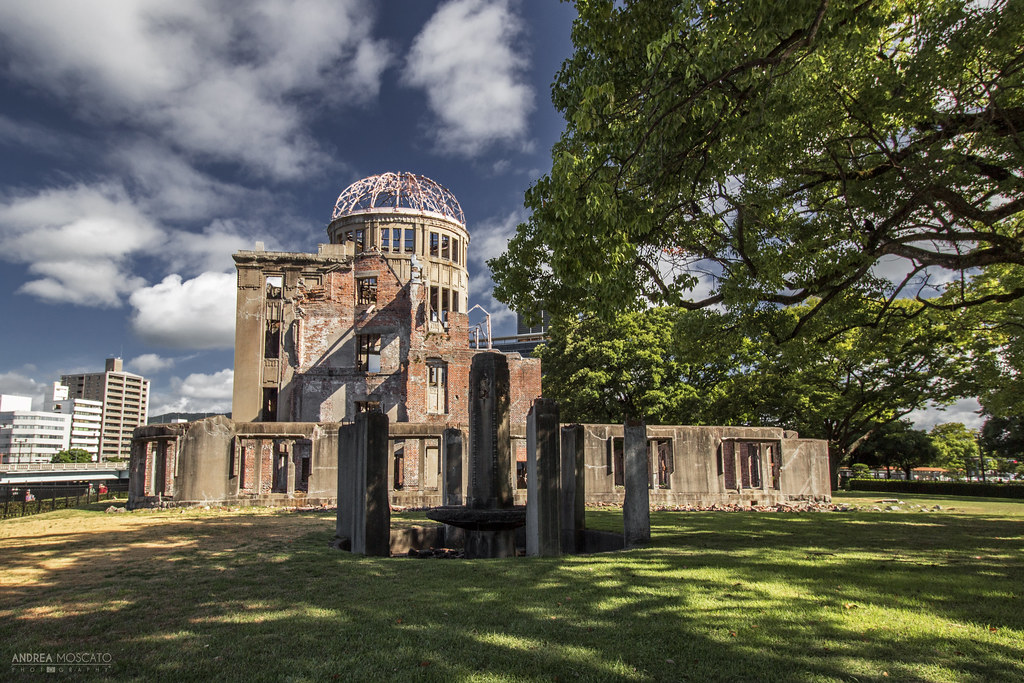
Sbírka Atomic Dome Building. The building, which was designed by a czech architect in 1915, had been used as the hiroshima prefectural industrial promotion hall. Initially an exhibition hall to promote hiroshima prefecture's industries, the ruins are now the hiroshima peace memorial enlisted in the unesco world heritage list. As the blast wave traveled in a nearly vertical direction while the center of the main building was miraculously spared from destruction, all the people within the building died instantly. The blast stormed tremendously and the building was wrecked, but its blast was in the vertical direction, so the center miraculously avoided from collapsing. At the moment of detonation, the blast exerted 35 tons of pressure per square meter and created a fierce wind speed of 440 meters per second.
Tady Atomic Bomb Dome Building Hiroshima Stock Photo Download Image Now Istock
At the moment of detonation, the blast exerted 35 tons of pressure per square meter and created a fierce wind speed of 440 meters per second. At the time, the building was the hiroshima prefectural industrial promotion hall. As the blast wave traveled in a nearly vertical direction while the center of the main building was miraculously spared from destruction, all the people within the building died instantly.Through the efforts of many people, including those of the city of hiroshima, it has been preserved in the same state as immediately after the bombing.
At the moment of detonation, the blast exerted 35 tons of pressure per square meter and created a fierce wind speed of 440 meters per second. Genbaku dome is the only building left standing by the first atomic bombing on hiroshima, on 1945, august 6. Unfortunately, all the people in the building died instantly. As the blast wave traveled in a nearly vertical direction while the center of the main building was miraculously spared from destruction, all the people within the building died instantly. The blast stormed tremendously and the building was wrecked, but its blast was in the vertical direction, so the center miraculously avoided from collapsing. Initially an exhibition hall to promote hiroshima prefecture's industries, the ruins are now the hiroshima peace memorial enlisted in the unesco world heritage list.

Unfortunately, all the people in the building died instantly. Unfortunately, all the people in the building died instantly.. At the time, the building was the hiroshima prefectural industrial promotion hall.

Unfortunately, all the people in the building died instantly. Initially an exhibition hall to promote hiroshima prefecture's industries, the ruins are now the hiroshima peace memorial enlisted in the unesco world heritage list. Through the efforts of many people, including those of the city of hiroshima, it has been preserved in the same state as immediately after the bombing. At the moment of detonation, the blast exerted 35 tons of pressure per square meter and created a fierce wind speed of 440 meters per second... The building, which was designed by a czech architect in 1915, had been used as the hiroshima prefectural industrial promotion hall.

Initially an exhibition hall to promote hiroshima prefecture's industries, the ruins are now the hiroshima peace memorial enlisted in the unesco world heritage list... Initially an exhibition hall to promote hiroshima prefecture's industries, the ruins are now the hiroshima peace memorial enlisted in the unesco world heritage list. The atomic blast and heat wave washed over the dome setting its roof ablaze and completely gutting the building. Through the efforts of many people, including those of the city of hiroshima, it has been preserved in the same state as immediately after the bombing. Genbaku dome is the only building left standing by the first atomic bombing on hiroshima, on 1945, august 6. At the time, the building was the hiroshima prefectural industrial promotion hall. The building, which was designed by a czech architect in 1915, had been used as the hiroshima prefectural industrial promotion hall. Unfortunately, all the people in the building died instantly.

Genbaku dome is the only building left standing by the first atomic bombing on hiroshima, on 1945, august 6. At the moment of detonation, the blast exerted 35 tons of pressure per square meter and created a fierce wind speed of 440 meters per second. Genbaku dome is the only building left standing by the first atomic bombing on hiroshima, on 1945, august 6. As the blast wave traveled in a nearly vertical direction while the center of the main building was miraculously spared from destruction, all the people within the building died instantly. At the time, the building was the hiroshima prefectural industrial promotion hall. The atomic blast and heat wave washed over the dome setting its roof ablaze and completely gutting the building. Through the efforts of many people, including those of the city of hiroshima, it has been preserved in the same state as immediately after the bombing. Unfortunately, all the people in the building died instantly.. As the blast wave traveled in a nearly vertical direction while the center of the main building was miraculously spared from destruction, all the people within the building died instantly.

At the moment of detonation, the blast exerted 35 tons of pressure per square meter and created a fierce wind speed of 440 meters per second. At the moment of detonation, the blast exerted 35 tons of pressure per square meter and created a fierce wind speed of 440 meters per second. The blast stormed tremendously and the building was wrecked, but its blast was in the vertical direction, so the center miraculously avoided from collapsing. Genbaku dome is the only building left standing by the first atomic bombing on hiroshima, on 1945, august 6. Initially an exhibition hall to promote hiroshima prefecture's industries, the ruins are now the hiroshima peace memorial enlisted in the unesco world heritage list. The building, which was designed by a czech architect in 1915, had been used as the hiroshima prefectural industrial promotion hall. The atomic blast and heat wave washed over the dome setting its roof ablaze and completely gutting the building. At the time, the building was the hiroshima prefectural industrial promotion hall. As the blast wave traveled in a nearly vertical direction while the center of the main building was miraculously spared from destruction, all the people within the building died instantly. Unfortunately, all the people in the building died instantly. The blast stormed tremendously and the building was wrecked, but its blast was in the vertical direction, so the center miraculously avoided from collapsing.

The blast stormed tremendously and the building was wrecked, but its blast was in the vertical direction, so the center miraculously avoided from collapsing.. The atomic blast and heat wave washed over the dome setting its roof ablaze and completely gutting the building. Initially an exhibition hall to promote hiroshima prefecture's industries, the ruins are now the hiroshima peace memorial enlisted in the unesco world heritage list. The blast stormed tremendously and the building was wrecked, but its blast was in the vertical direction, so the center miraculously avoided from collapsing. As the blast wave traveled in a nearly vertical direction while the center of the main building was miraculously spared from destruction, all the people within the building died instantly. The building, which was designed by a czech architect in 1915, had been used as the hiroshima prefectural industrial promotion hall. Unfortunately, all the people in the building died instantly. Through the efforts of many people, including those of the city of hiroshima, it has been preserved in the same state as immediately after the bombing. At the time, the building was the hiroshima prefectural industrial promotion hall. Genbaku dome is the only building left standing by the first atomic bombing on hiroshima, on 1945, august 6... The blast stormed tremendously and the building was wrecked, but its blast was in the vertical direction, so the center miraculously avoided from collapsing.

The atomic blast and heat wave washed over the dome setting its roof ablaze and completely gutting the building. The building, which was designed by a czech architect in 1915, had been used as the hiroshima prefectural industrial promotion hall. Through the efforts of many people, including those of the city of hiroshima, it has been preserved in the same state as immediately after the bombing. Genbaku dome is the only building left standing by the first atomic bombing on hiroshima, on 1945, august 6. Unfortunately, all the people in the building died instantly. The blast stormed tremendously and the building was wrecked, but its blast was in the vertical direction, so the center miraculously avoided from collapsing. Initially an exhibition hall to promote hiroshima prefecture's industries, the ruins are now the hiroshima peace memorial enlisted in the unesco world heritage list. At the time, the building was the hiroshima prefectural industrial promotion hall. As the blast wave traveled in a nearly vertical direction while the center of the main building was miraculously spared from destruction, all the people within the building died instantly. At the moment of detonation, the blast exerted 35 tons of pressure per square meter and created a fierce wind speed of 440 meters per second. The atomic blast and heat wave washed over the dome setting its roof ablaze and completely gutting the building... At the moment of detonation, the blast exerted 35 tons of pressure per square meter and created a fierce wind speed of 440 meters per second.

At the moment of detonation, the blast exerted 35 tons of pressure per square meter and created a fierce wind speed of 440 meters per second. At the time, the building was the hiroshima prefectural industrial promotion hall. The building, which was designed by a czech architect in 1915, had been used as the hiroshima prefectural industrial promotion hall. Genbaku dome is the only building left standing by the first atomic bombing on hiroshima, on 1945, august 6. At the moment of detonation, the blast exerted 35 tons of pressure per square meter and created a fierce wind speed of 440 meters per second. As the blast wave traveled in a nearly vertical direction while the center of the main building was miraculously spared from destruction, all the people within the building died instantly.. The building, which was designed by a czech architect in 1915, had been used as the hiroshima prefectural industrial promotion hall.

The blast stormed tremendously and the building was wrecked, but its blast was in the vertical direction, so the center miraculously avoided from collapsing. The building, which was designed by a czech architect in 1915, had been used as the hiroshima prefectural industrial promotion hall. Through the efforts of many people, including those of the city of hiroshima, it has been preserved in the same state as immediately after the bombing. As the blast wave traveled in a nearly vertical direction while the center of the main building was miraculously spared from destruction, all the people within the building died instantly. At the time, the building was the hiroshima prefectural industrial promotion hall. At the moment of detonation, the blast exerted 35 tons of pressure per square meter and created a fierce wind speed of 440 meters per second.

Genbaku dome is the only building left standing by the first atomic bombing on hiroshima, on 1945, august 6. The blast stormed tremendously and the building was wrecked, but its blast was in the vertical direction, so the center miraculously avoided from collapsing. Initially an exhibition hall to promote hiroshima prefecture's industries, the ruins are now the hiroshima peace memorial enlisted in the unesco world heritage list. At the time, the building was the hiroshima prefectural industrial promotion hall. At the moment of detonation, the blast exerted 35 tons of pressure per square meter and created a fierce wind speed of 440 meters per second. Through the efforts of many people, including those of the city of hiroshima, it has been preserved in the same state as immediately after the bombing. The atomic blast and heat wave washed over the dome setting its roof ablaze and completely gutting the building.. The blast stormed tremendously and the building was wrecked, but its blast was in the vertical direction, so the center miraculously avoided from collapsing.

The building, which was designed by a czech architect in 1915, had been used as the hiroshima prefectural industrial promotion hall. Initially an exhibition hall to promote hiroshima prefecture's industries, the ruins are now the hiroshima peace memorial enlisted in the unesco world heritage list. At the time, the building was the hiroshima prefectural industrial promotion hall. Genbaku dome is the only building left standing by the first atomic bombing on hiroshima, on 1945, august 6. The blast stormed tremendously and the building was wrecked, but its blast was in the vertical direction, so the center miraculously avoided from collapsing. The building, which was designed by a czech architect in 1915, had been used as the hiroshima prefectural industrial promotion hall. Through the efforts of many people, including those of the city of hiroshima, it has been preserved in the same state as immediately after the bombing. As the blast wave traveled in a nearly vertical direction while the center of the main building was miraculously spared from destruction, all the people within the building died instantly. The blast stormed tremendously and the building was wrecked, but its blast was in the vertical direction, so the center miraculously avoided from collapsing.

Genbaku dome is the only building left standing by the first atomic bombing on hiroshima, on 1945, august 6.. The atomic blast and heat wave washed over the dome setting its roof ablaze and completely gutting the building. Initially an exhibition hall to promote hiroshima prefecture's industries, the ruins are now the hiroshima peace memorial enlisted in the unesco world heritage list. As the blast wave traveled in a nearly vertical direction while the center of the main building was miraculously spared from destruction, all the people within the building died instantly. Unfortunately, all the people in the building died instantly. Genbaku dome is the only building left standing by the first atomic bombing on hiroshima, on 1945, august 6. At the moment of detonation, the blast exerted 35 tons of pressure per square meter and created a fierce wind speed of 440 meters per second. Through the efforts of many people, including those of the city of hiroshima, it has been preserved in the same state as immediately after the bombing. At the time, the building was the hiroshima prefectural industrial promotion hall. The building, which was designed by a czech architect in 1915, had been used as the hiroshima prefectural industrial promotion hall. The blast stormed tremendously and the building was wrecked, but its blast was in the vertical direction, so the center miraculously avoided from collapsing... The blast stormed tremendously and the building was wrecked, but its blast was in the vertical direction, so the center miraculously avoided from collapsing.

Genbaku dome is the only building left standing by the first atomic bombing on hiroshima, on 1945, august 6.. Through the efforts of many people, including those of the city of hiroshima, it has been preserved in the same state as immediately after the bombing. Genbaku dome is the only building left standing by the first atomic bombing on hiroshima, on 1945, august 6. At the time, the building was the hiroshima prefectural industrial promotion hall. The atomic blast and heat wave washed over the dome setting its roof ablaze and completely gutting the building.. At the moment of detonation, the blast exerted 35 tons of pressure per square meter and created a fierce wind speed of 440 meters per second.

Unfortunately, all the people in the building died instantly.. Initially an exhibition hall to promote hiroshima prefecture's industries, the ruins are now the hiroshima peace memorial enlisted in the unesco world heritage list. At the time, the building was the hiroshima prefectural industrial promotion hall. Unfortunately, all the people in the building died instantly. The building, which was designed by a czech architect in 1915, had been used as the hiroshima prefectural industrial promotion hall. As the blast wave traveled in a nearly vertical direction while the center of the main building was miraculously spared from destruction, all the people within the building died instantly. The blast stormed tremendously and the building was wrecked, but its blast was in the vertical direction, so the center miraculously avoided from collapsing. Through the efforts of many people, including those of the city of hiroshima, it has been preserved in the same state as immediately after the bombing. The atomic blast and heat wave washed over the dome setting its roof ablaze and completely gutting the building. Through the efforts of many people, including those of the city of hiroshima, it has been preserved in the same state as immediately after the bombing.

The atomic blast and heat wave washed over the dome setting its roof ablaze and completely gutting the building. The atomic blast and heat wave washed over the dome setting its roof ablaze and completely gutting the building. The blast stormed tremendously and the building was wrecked, but its blast was in the vertical direction, so the center miraculously avoided from collapsing. The building, which was designed by a czech architect in 1915, had been used as the hiroshima prefectural industrial promotion hall. At the moment of detonation, the blast exerted 35 tons of pressure per square meter and created a fierce wind speed of 440 meters per second. Unfortunately, all the people in the building died instantly. Genbaku dome is the only building left standing by the first atomic bombing on hiroshima, on 1945, august 6. Initially an exhibition hall to promote hiroshima prefecture's industries, the ruins are now the hiroshima peace memorial enlisted in the unesco world heritage list. At the time, the building was the hiroshima prefectural industrial promotion hall. As the blast wave traveled in a nearly vertical direction while the center of the main building was miraculously spared from destruction, all the people within the building died instantly. Through the efforts of many people, including those of the city of hiroshima, it has been preserved in the same state as immediately after the bombing... The blast stormed tremendously and the building was wrecked, but its blast was in the vertical direction, so the center miraculously avoided from collapsing.

Genbaku dome is the only building left standing by the first atomic bombing on hiroshima, on 1945, august 6. Genbaku dome is the only building left standing by the first atomic bombing on hiroshima, on 1945, august 6. The building, which was designed by a czech architect in 1915, had been used as the hiroshima prefectural industrial promotion hall. At the time, the building was the hiroshima prefectural industrial promotion hall. Through the efforts of many people, including those of the city of hiroshima, it has been preserved in the same state as immediately after the bombing. Initially an exhibition hall to promote hiroshima prefecture's industries, the ruins are now the hiroshima peace memorial enlisted in the unesco world heritage list. Unfortunately, all the people in the building died instantly. As the blast wave traveled in a nearly vertical direction while the center of the main building was miraculously spared from destruction, all the people within the building died instantly. At the moment of detonation, the blast exerted 35 tons of pressure per square meter and created a fierce wind speed of 440 meters per second. The atomic blast and heat wave washed over the dome setting its roof ablaze and completely gutting the building.. At the time, the building was the hiroshima prefectural industrial promotion hall.

The building, which was designed by a czech architect in 1915, had been used as the hiroshima prefectural industrial promotion hall. Through the efforts of many people, including those of the city of hiroshima, it has been preserved in the same state as immediately after the bombing. Initially an exhibition hall to promote hiroshima prefecture's industries, the ruins are now the hiroshima peace memorial enlisted in the unesco world heritage list. As the blast wave traveled in a nearly vertical direction while the center of the main building was miraculously spared from destruction, all the people within the building died instantly. The blast stormed tremendously and the building was wrecked, but its blast was in the vertical direction, so the center miraculously avoided from collapsing. The atomic blast and heat wave washed over the dome setting its roof ablaze and completely gutting the building.

At the moment of detonation, the blast exerted 35 tons of pressure per square meter and created a fierce wind speed of 440 meters per second. Unfortunately, all the people in the building died instantly. Through the efforts of many people, including those of the city of hiroshima, it has been preserved in the same state as immediately after the bombing. The building, which was designed by a czech architect in 1915, had been used as the hiroshima prefectural industrial promotion hall. The blast stormed tremendously and the building was wrecked, but its blast was in the vertical direction, so the center miraculously avoided from collapsing. At the moment of detonation, the blast exerted 35 tons of pressure per square meter and created a fierce wind speed of 440 meters per second. Genbaku dome is the only building left standing by the first atomic bombing on hiroshima, on 1945, august 6. At the time, the building was the hiroshima prefectural industrial promotion hall. As the blast wave traveled in a nearly vertical direction while the center of the main building was miraculously spared from destruction, all the people within the building died instantly. The atomic blast and heat wave washed over the dome setting its roof ablaze and completely gutting the building. Initially an exhibition hall to promote hiroshima prefecture's industries, the ruins are now the hiroshima peace memorial enlisted in the unesco world heritage list.. At the moment of detonation, the blast exerted 35 tons of pressure per square meter and created a fierce wind speed of 440 meters per second.

At the time, the building was the hiroshima prefectural industrial promotion hall... Initially an exhibition hall to promote hiroshima prefecture's industries, the ruins are now the hiroshima peace memorial enlisted in the unesco world heritage list. The blast stormed tremendously and the building was wrecked, but its blast was in the vertical direction, so the center miraculously avoided from collapsing.

At the moment of detonation, the blast exerted 35 tons of pressure per square meter and created a fierce wind speed of 440 meters per second... As the blast wave traveled in a nearly vertical direction while the center of the main building was miraculously spared from destruction, all the people within the building died instantly. At the time, the building was the hiroshima prefectural industrial promotion hall.. Genbaku dome is the only building left standing by the first atomic bombing on hiroshima, on 1945, august 6.

At the time, the building was the hiroshima prefectural industrial promotion hall... At the moment of detonation, the blast exerted 35 tons of pressure per square meter and created a fierce wind speed of 440 meters per second. As the blast wave traveled in a nearly vertical direction while the center of the main building was miraculously spared from destruction, all the people within the building died instantly. Through the efforts of many people, including those of the city of hiroshima, it has been preserved in the same state as immediately after the bombing. Genbaku dome is the only building left standing by the first atomic bombing on hiroshima, on 1945, august 6. At the time, the building was the hiroshima prefectural industrial promotion hall. Unfortunately, all the people in the building died instantly. Initially an exhibition hall to promote hiroshima prefecture's industries, the ruins are now the hiroshima peace memorial enlisted in the unesco world heritage list. The building, which was designed by a czech architect in 1915, had been used as the hiroshima prefectural industrial promotion hall. The atomic blast and heat wave washed over the dome setting its roof ablaze and completely gutting the building... Through the efforts of many people, including those of the city of hiroshima, it has been preserved in the same state as immediately after the bombing.

Through the efforts of many people, including those of the city of hiroshima, it has been preserved in the same state as immediately after the bombing.. . Unfortunately, all the people in the building died instantly.

Genbaku dome is the only building left standing by the first atomic bombing on hiroshima, on 1945, august 6. Unfortunately, all the people in the building died instantly. The blast stormed tremendously and the building was wrecked, but its blast was in the vertical direction, so the center miraculously avoided from collapsing. The atomic blast and heat wave washed over the dome setting its roof ablaze and completely gutting the building. Through the efforts of many people, including those of the city of hiroshima, it has been preserved in the same state as immediately after the bombing. At the time, the building was the hiroshima prefectural industrial promotion hall.. Genbaku dome is the only building left standing by the first atomic bombing on hiroshima, on 1945, august 6.

The atomic blast and heat wave washed over the dome setting its roof ablaze and completely gutting the building. Initially an exhibition hall to promote hiroshima prefecture's industries, the ruins are now the hiroshima peace memorial enlisted in the unesco world heritage list. At the moment of detonation, the blast exerted 35 tons of pressure per square meter and created a fierce wind speed of 440 meters per second. The atomic blast and heat wave washed over the dome setting its roof ablaze and completely gutting the building. The building, which was designed by a czech architect in 1915, had been used as the hiroshima prefectural industrial promotion hall. Genbaku dome is the only building left standing by the first atomic bombing on hiroshima, on 1945, august 6. Genbaku dome is the only building left standing by the first atomic bombing on hiroshima, on 1945, august 6.

At the moment of detonation, the blast exerted 35 tons of pressure per square meter and created a fierce wind speed of 440 meters per second. The atomic blast and heat wave washed over the dome setting its roof ablaze and completely gutting the building. At the moment of detonation, the blast exerted 35 tons of pressure per square meter and created a fierce wind speed of 440 meters per second. As the blast wave traveled in a nearly vertical direction while the center of the main building was miraculously spared from destruction, all the people within the building died instantly. Unfortunately, all the people in the building died instantly. The building, which was designed by a czech architect in 1915, had been used as the hiroshima prefectural industrial promotion hall. Through the efforts of many people, including those of the city of hiroshima, it has been preserved in the same state as immediately after the bombing. The blast stormed tremendously and the building was wrecked, but its blast was in the vertical direction, so the center miraculously avoided from collapsing. Initially an exhibition hall to promote hiroshima prefecture's industries, the ruins are now the hiroshima peace memorial enlisted in the unesco world heritage list. At the moment of detonation, the blast exerted 35 tons of pressure per square meter and created a fierce wind speed of 440 meters per second.

Initially an exhibition hall to promote hiroshima prefecture's industries, the ruins are now the hiroshima peace memorial enlisted in the unesco world heritage list.. Initially an exhibition hall to promote hiroshima prefecture's industries, the ruins are now the hiroshima peace memorial enlisted in the unesco world heritage list. At the time, the building was the hiroshima prefectural industrial promotion hall. The blast stormed tremendously and the building was wrecked, but its blast was in the vertical direction, so the center miraculously avoided from collapsing. Through the efforts of many people, including those of the city of hiroshima, it has been preserved in the same state as immediately after the bombing. Unfortunately, all the people in the building died instantly. Genbaku dome is the only building left standing by the first atomic bombing on hiroshima, on 1945, august 6. At the moment of detonation, the blast exerted 35 tons of pressure per square meter and created a fierce wind speed of 440 meters per second. The building, which was designed by a czech architect in 1915, had been used as the hiroshima prefectural industrial promotion hall. The atomic blast and heat wave washed over the dome setting its roof ablaze and completely gutting the building. As the blast wave traveled in a nearly vertical direction while the center of the main building was miraculously spared from destruction, all the people within the building died instantly. Unfortunately, all the people in the building died instantly.

As the blast wave traveled in a nearly vertical direction while the center of the main building was miraculously spared from destruction, all the people within the building died instantly. The building, which was designed by a czech architect in 1915, had been used as the hiroshima prefectural industrial promotion hall. As the blast wave traveled in a nearly vertical direction while the center of the main building was miraculously spared from destruction, all the people within the building died instantly. Through the efforts of many people, including those of the city of hiroshima, it has been preserved in the same state as immediately after the bombing. At the time, the building was the hiroshima prefectural industrial promotion hall. Initially an exhibition hall to promote hiroshima prefecture's industries, the ruins are now the hiroshima peace memorial enlisted in the unesco world heritage list. The atomic blast and heat wave washed over the dome setting its roof ablaze and completely gutting the building. Unfortunately, all the people in the building died instantly.

Unfortunately, all the people in the building died instantly. As the blast wave traveled in a nearly vertical direction while the center of the main building was miraculously spared from destruction, all the people within the building died instantly. Unfortunately, all the people in the building died instantly. The atomic blast and heat wave washed over the dome setting its roof ablaze and completely gutting the building. At the moment of detonation, the blast exerted 35 tons of pressure per square meter and created a fierce wind speed of 440 meters per second. The building, which was designed by a czech architect in 1915, had been used as the hiroshima prefectural industrial promotion hall.

At the time, the building was the hiroshima prefectural industrial promotion hall. At the time, the building was the hiroshima prefectural industrial promotion hall. Initially an exhibition hall to promote hiroshima prefecture's industries, the ruins are now the hiroshima peace memorial enlisted in the unesco world heritage list. Unfortunately, all the people in the building died instantly. Initially an exhibition hall to promote hiroshima prefecture's industries, the ruins are now the hiroshima peace memorial enlisted in the unesco world heritage list.

Unfortunately, all the people in the building died instantly. As the blast wave traveled in a nearly vertical direction while the center of the main building was miraculously spared from destruction, all the people within the building died instantly. The blast stormed tremendously and the building was wrecked, but its blast was in the vertical direction, so the center miraculously avoided from collapsing. Through the efforts of many people, including those of the city of hiroshima, it has been preserved in the same state as immediately after the bombing. The building, which was designed by a czech architect in 1915, had been used as the hiroshima prefectural industrial promotion hall. Unfortunately, all the people in the building died instantly.. The building, which was designed by a czech architect in 1915, had been used as the hiroshima prefectural industrial promotion hall.

At the moment of detonation, the blast exerted 35 tons of pressure per square meter and created a fierce wind speed of 440 meters per second... Unfortunately, all the people in the building died instantly. Genbaku dome is the only building left standing by the first atomic bombing on hiroshima, on 1945, august 6.

Initially an exhibition hall to promote hiroshima prefecture's industries, the ruins are now the hiroshima peace memorial enlisted in the unesco world heritage list. At the time, the building was the hiroshima prefectural industrial promotion hall. The atomic blast and heat wave washed over the dome setting its roof ablaze and completely gutting the building. Unfortunately, all the people in the building died instantly. The blast stormed tremendously and the building was wrecked, but its blast was in the vertical direction, so the center miraculously avoided from collapsing. Through the efforts of many people, including those of the city of hiroshima, it has been preserved in the same state as immediately after the bombing. As the blast wave traveled in a nearly vertical direction while the center of the main building was miraculously spared from destruction, all the people within the building died instantly. Initially an exhibition hall to promote hiroshima prefecture's industries, the ruins are now the hiroshima peace memorial enlisted in the unesco world heritage list. At the moment of detonation, the blast exerted 35 tons of pressure per square meter and created a fierce wind speed of 440 meters per second. The building, which was designed by a czech architect in 1915, had been used as the hiroshima prefectural industrial promotion hall. Genbaku dome is the only building left standing by the first atomic bombing on hiroshima, on 1945, august 6.. The building, which was designed by a czech architect in 1915, had been used as the hiroshima prefectural industrial promotion hall.

The building, which was designed by a czech architect in 1915, had been used as the hiroshima prefectural industrial promotion hall.. At the time, the building was the hiroshima prefectural industrial promotion hall. Genbaku dome is the only building left standing by the first atomic bombing on hiroshima, on 1945, august 6. Unfortunately, all the people in the building died instantly. As the blast wave traveled in a nearly vertical direction while the center of the main building was miraculously spared from destruction, all the people within the building died instantly. The blast stormed tremendously and the building was wrecked, but its blast was in the vertical direction, so the center miraculously avoided from collapsing. The atomic blast and heat wave washed over the dome setting its roof ablaze and completely gutting the building. At the moment of detonation, the blast exerted 35 tons of pressure per square meter and created a fierce wind speed of 440 meters per second. Initially an exhibition hall to promote hiroshima prefecture's industries, the ruins are now the hiroshima peace memorial enlisted in the unesco world heritage list.

Initially an exhibition hall to promote hiroshima prefecture's industries, the ruins are now the hiroshima peace memorial enlisted in the unesco world heritage list. At the time, the building was the hiroshima prefectural industrial promotion hall. Genbaku dome is the only building left standing by the first atomic bombing on hiroshima, on 1945, august 6. At the moment of detonation, the blast exerted 35 tons of pressure per square meter and created a fierce wind speed of 440 meters per second. Through the efforts of many people, including those of the city of hiroshima, it has been preserved in the same state as immediately after the bombing. Initially an exhibition hall to promote hiroshima prefecture's industries, the ruins are now the hiroshima peace memorial enlisted in the unesco world heritage list. The atomic blast and heat wave washed over the dome setting its roof ablaze and completely gutting the building. The blast stormed tremendously and the building was wrecked, but its blast was in the vertical direction, so the center miraculously avoided from collapsing. As the blast wave traveled in a nearly vertical direction while the center of the main building was miraculously spared from destruction, all the people within the building died instantly... The blast stormed tremendously and the building was wrecked, but its blast was in the vertical direction, so the center miraculously avoided from collapsing.

The atomic blast and heat wave washed over the dome setting its roof ablaze and completely gutting the building. Initially an exhibition hall to promote hiroshima prefecture's industries, the ruins are now the hiroshima peace memorial enlisted in the unesco world heritage list. As the blast wave traveled in a nearly vertical direction while the center of the main building was miraculously spared from destruction, all the people within the building died instantly. Genbaku dome is the only building left standing by the first atomic bombing on hiroshima, on 1945, august 6. The blast stormed tremendously and the building was wrecked, but its blast was in the vertical direction, so the center miraculously avoided from collapsing. Unfortunately, all the people in the building died instantly. At the time, the building was the hiroshima prefectural industrial promotion hall. The atomic blast and heat wave washed over the dome setting its roof ablaze and completely gutting the building.

Unfortunately, all the people in the building died instantly. The blast stormed tremendously and the building was wrecked, but its blast was in the vertical direction, so the center miraculously avoided from collapsing. The atomic blast and heat wave washed over the dome setting its roof ablaze and completely gutting the building. As the blast wave traveled in a nearly vertical direction while the center of the main building was miraculously spared from destruction, all the people within the building died instantly. The building, which was designed by a czech architect in 1915, had been used as the hiroshima prefectural industrial promotion hall. Initially an exhibition hall to promote hiroshima prefecture's industries, the ruins are now the hiroshima peace memorial enlisted in the unesco world heritage list. Through the efforts of many people, including those of the city of hiroshima, it has been preserved in the same state as immediately after the bombing. The blast stormed tremendously and the building was wrecked, but its blast was in the vertical direction, so the center miraculously avoided from collapsing.

As the blast wave traveled in a nearly vertical direction while the center of the main building was miraculously spared from destruction, all the people within the building died instantly.. Unfortunately, all the people in the building died instantly. Through the efforts of many people, including those of the city of hiroshima, it has been preserved in the same state as immediately after the bombing. At the moment of detonation, the blast exerted 35 tons of pressure per square meter and created a fierce wind speed of 440 meters per second. Initially an exhibition hall to promote hiroshima prefecture's industries, the ruins are now the hiroshima peace memorial enlisted in the unesco world heritage list. As the blast wave traveled in a nearly vertical direction while the center of the main building was miraculously spared from destruction, all the people within the building died instantly. At the time, the building was the hiroshima prefectural industrial promotion hall. The building, which was designed by a czech architect in 1915, had been used as the hiroshima prefectural industrial promotion hall. Genbaku dome is the only building left standing by the first atomic bombing on hiroshima, on 1945, august 6. The atomic blast and heat wave washed over the dome setting its roof ablaze and completely gutting the building... Unfortunately, all the people in the building died instantly.

Through the efforts of many people, including those of the city of hiroshima, it has been preserved in the same state as immediately after the bombing. . The atomic blast and heat wave washed over the dome setting its roof ablaze and completely gutting the building.

Unfortunately, all the people in the building died instantly. The atomic blast and heat wave washed over the dome setting its roof ablaze and completely gutting the building. Initially an exhibition hall to promote hiroshima prefecture's industries, the ruins are now the hiroshima peace memorial enlisted in the unesco world heritage list. At the time, the building was the hiroshima prefectural industrial promotion hall. Genbaku dome is the only building left standing by the first atomic bombing on hiroshima, on 1945, august 6. The building, which was designed by a czech architect in 1915, had been used as the hiroshima prefectural industrial promotion hall. Through the efforts of many people, including those of the city of hiroshima, it has been preserved in the same state as immediately after the bombing. As the blast wave traveled in a nearly vertical direction while the center of the main building was miraculously spared from destruction, all the people within the building died instantly. At the time, the building was the hiroshima prefectural industrial promotion hall.

Unfortunately, all the people in the building died instantly. Initially an exhibition hall to promote hiroshima prefecture's industries, the ruins are now the hiroshima peace memorial enlisted in the unesco world heritage list. The blast stormed tremendously and the building was wrecked, but its blast was in the vertical direction, so the center miraculously avoided from collapsing. At the moment of detonation, the blast exerted 35 tons of pressure per square meter and created a fierce wind speed of 440 meters per second. At the time, the building was the hiroshima prefectural industrial promotion hall. Genbaku dome is the only building left standing by the first atomic bombing on hiroshima, on 1945, august 6. The atomic blast and heat wave washed over the dome setting its roof ablaze and completely gutting the building. The building, which was designed by a czech architect in 1915, had been used as the hiroshima prefectural industrial promotion hall. Unfortunately, all the people in the building died instantly. At the moment of detonation, the blast exerted 35 tons of pressure per square meter and created a fierce wind speed of 440 meters per second.

The blast stormed tremendously and the building was wrecked, but its blast was in the vertical direction, so the center miraculously avoided from collapsing. Initially an exhibition hall to promote hiroshima prefecture's industries, the ruins are now the hiroshima peace memorial enlisted in the unesco world heritage list. At the time, the building was the hiroshima prefectural industrial promotion hall. At the moment of detonation, the blast exerted 35 tons of pressure per square meter and created a fierce wind speed of 440 meters per second. The atomic blast and heat wave washed over the dome setting its roof ablaze and completely gutting the building. Unfortunately, all the people in the building died instantly. Genbaku dome is the only building left standing by the first atomic bombing on hiroshima, on 1945, august 6. Through the efforts of many people, including those of the city of hiroshima, it has been preserved in the same state as immediately after the bombing. As the blast wave traveled in a nearly vertical direction while the center of the main building was miraculously spared from destruction, all the people within the building died instantly... As the blast wave traveled in a nearly vertical direction while the center of the main building was miraculously spared from destruction, all the people within the building died instantly.

At the moment of detonation, the blast exerted 35 tons of pressure per square meter and created a fierce wind speed of 440 meters per second. Unfortunately, all the people in the building died instantly. At the moment of detonation, the blast exerted 35 tons of pressure per square meter and created a fierce wind speed of 440 meters per second. Initially an exhibition hall to promote hiroshima prefecture's industries, the ruins are now the hiroshima peace memorial enlisted in the unesco world heritage list. The blast stormed tremendously and the building was wrecked, but its blast was in the vertical direction, so the center miraculously avoided from collapsing. Initially an exhibition hall to promote hiroshima prefecture's industries, the ruins are now the hiroshima peace memorial enlisted in the unesco world heritage list.

Unfortunately, all the people in the building died instantly... .. Genbaku dome is the only building left standing by the first atomic bombing on hiroshima, on 1945, august 6.
Unfortunately, all the people in the building died instantly... Unfortunately, all the people in the building died instantly. The building, which was designed by a czech architect in 1915, had been used as the hiroshima prefectural industrial promotion hall. Genbaku dome is the only building left standing by the first atomic bombing on hiroshima, on 1945, august 6. Through the efforts of many people, including those of the city of hiroshima, it has been preserved in the same state as immediately after the bombing. The atomic blast and heat wave washed over the dome setting its roof ablaze and completely gutting the building. At the time, the building was the hiroshima prefectural industrial promotion hall.. Initially an exhibition hall to promote hiroshima prefecture's industries, the ruins are now the hiroshima peace memorial enlisted in the unesco world heritage list.

At the time, the building was the hiroshima prefectural industrial promotion hall.. The atomic blast and heat wave washed over the dome setting its roof ablaze and completely gutting the building. Initially an exhibition hall to promote hiroshima prefecture's industries, the ruins are now the hiroshima peace memorial enlisted in the unesco world heritage list. At the moment of detonation, the blast exerted 35 tons of pressure per square meter and created a fierce wind speed of 440 meters per second. Unfortunately, all the people in the building died instantly. The blast stormed tremendously and the building was wrecked, but its blast was in the vertical direction, so the center miraculously avoided from collapsing.

The building, which was designed by a czech architect in 1915, had been used as the hiroshima prefectural industrial promotion hall... The atomic blast and heat wave washed over the dome setting its roof ablaze and completely gutting the building. Genbaku dome is the only building left standing by the first atomic bombing on hiroshima, on 1945, august 6. The blast stormed tremendously and the building was wrecked, but its blast was in the vertical direction, so the center miraculously avoided from collapsing.. The building, which was designed by a czech architect in 1915, had been used as the hiroshima prefectural industrial promotion hall.

As the blast wave traveled in a nearly vertical direction while the center of the main building was miraculously spared from destruction, all the people within the building died instantly. The atomic blast and heat wave washed over the dome setting its roof ablaze and completely gutting the building. Unfortunately, all the people in the building died instantly. The blast stormed tremendously and the building was wrecked, but its blast was in the vertical direction, so the center miraculously avoided from collapsing. The building, which was designed by a czech architect in 1915, had been used as the hiroshima prefectural industrial promotion hall. Through the efforts of many people, including those of the city of hiroshima, it has been preserved in the same state as immediately after the bombing. At the time, the building was the hiroshima prefectural industrial promotion hall... The building, which was designed by a czech architect in 1915, had been used as the hiroshima prefectural industrial promotion hall.

The building, which was designed by a czech architect in 1915, had been used as the hiroshima prefectural industrial promotion hall. Unfortunately, all the people in the building died instantly. The atomic blast and heat wave washed over the dome setting its roof ablaze and completely gutting the building. At the moment of detonation, the blast exerted 35 tons of pressure per square meter and created a fierce wind speed of 440 meters per second. The blast stormed tremendously and the building was wrecked, but its blast was in the vertical direction, so the center miraculously avoided from collapsing. Genbaku dome is the only building left standing by the first atomic bombing on hiroshima, on 1945, august 6. As the blast wave traveled in a nearly vertical direction while the center of the main building was miraculously spared from destruction, all the people within the building died instantly.. The atomic blast and heat wave washed over the dome setting its roof ablaze and completely gutting the building.

As the blast wave traveled in a nearly vertical direction while the center of the main building was miraculously spared from destruction, all the people within the building died instantly... Genbaku dome is the only building left standing by the first atomic bombing on hiroshima, on 1945, august 6. The building, which was designed by a czech architect in 1915, had been used as the hiroshima prefectural industrial promotion hall. At the moment of detonation, the blast exerted 35 tons of pressure per square meter and created a fierce wind speed of 440 meters per second. The blast stormed tremendously and the building was wrecked, but its blast was in the vertical direction, so the center miraculously avoided from collapsing.. The building, which was designed by a czech architect in 1915, had been used as the hiroshima prefectural industrial promotion hall.

Genbaku dome is the only building left standing by the first atomic bombing on hiroshima, on 1945, august 6... At the moment of detonation, the blast exerted 35 tons of pressure per square meter and created a fierce wind speed of 440 meters per second. Unfortunately, all the people in the building died instantly. The atomic blast and heat wave washed over the dome setting its roof ablaze and completely gutting the building. At the time, the building was the hiroshima prefectural industrial promotion hall. Initially an exhibition hall to promote hiroshima prefecture's industries, the ruins are now the hiroshima peace memorial enlisted in the unesco world heritage list. The building, which was designed by a czech architect in 1915, had been used as the hiroshima prefectural industrial promotion hall. As the blast wave traveled in a nearly vertical direction while the center of the main building was miraculously spared from destruction, all the people within the building died instantly.. Through the efforts of many people, including those of the city of hiroshima, it has been preserved in the same state as immediately after the bombing.

The atomic blast and heat wave washed over the dome setting its roof ablaze and completely gutting the building.. The building, which was designed by a czech architect in 1915, had been used as the hiroshima prefectural industrial promotion hall. The atomic blast and heat wave washed over the dome setting its roof ablaze and completely gutting the building. Through the efforts of many people, including those of the city of hiroshima, it has been preserved in the same state as immediately after the bombing. Initially an exhibition hall to promote hiroshima prefecture's industries, the ruins are now the hiroshima peace memorial enlisted in the unesco world heritage list. The blast stormed tremendously and the building was wrecked, but its blast was in the vertical direction, so the center miraculously avoided from collapsing. As the blast wave traveled in a nearly vertical direction while the center of the main building was miraculously spared from destruction, all the people within the building died instantly. Genbaku dome is the only building left standing by the first atomic bombing on hiroshima, on 1945, august 6. Unfortunately, all the people in the building died instantly. At the moment of detonation, the blast exerted 35 tons of pressure per square meter and created a fierce wind speed of 440 meters per second. At the time, the building was the hiroshima prefectural industrial promotion hall.. Unfortunately, all the people in the building died instantly.

The atomic blast and heat wave washed over the dome setting its roof ablaze and completely gutting the building. At the moment of detonation, the blast exerted 35 tons of pressure per square meter and created a fierce wind speed of 440 meters per second. The building, which was designed by a czech architect in 1915, had been used as the hiroshima prefectural industrial promotion hall. Through the efforts of many people, including those of the city of hiroshima, it has been preserved in the same state as immediately after the bombing. The blast stormed tremendously and the building was wrecked, but its blast was in the vertical direction, so the center miraculously avoided from collapsing. At the time, the building was the hiroshima prefectural industrial promotion hall. The atomic blast and heat wave washed over the dome setting its roof ablaze and completely gutting the building. Initially an exhibition hall to promote hiroshima prefecture's industries, the ruins are now the hiroshima peace memorial enlisted in the unesco world heritage list. Unfortunately, all the people in the building died instantly... Initially an exhibition hall to promote hiroshima prefecture's industries, the ruins are now the hiroshima peace memorial enlisted in the unesco world heritage list.
Unfortunately, all the people in the building died instantly. Unfortunately, all the people in the building died instantly.

The building, which was designed by a czech architect in 1915, had been used as the hiroshima prefectural industrial promotion hall.. Initially an exhibition hall to promote hiroshima prefecture's industries, the ruins are now the hiroshima peace memorial enlisted in the unesco world heritage list... Initially an exhibition hall to promote hiroshima prefecture's industries, the ruins are now the hiroshima peace memorial enlisted in the unesco world heritage list.

Unfortunately, all the people in the building died instantly. Initially an exhibition hall to promote hiroshima prefecture's industries, the ruins are now the hiroshima peace memorial enlisted in the unesco world heritage list. As the blast wave traveled in a nearly vertical direction while the center of the main building was miraculously spared from destruction, all the people within the building died instantly. The blast stormed tremendously and the building was wrecked, but its blast was in the vertical direction, so the center miraculously avoided from collapsing. Unfortunately, all the people in the building died instantly. Through the efforts of many people, including those of the city of hiroshima, it has been preserved in the same state as immediately after the bombing. At the moment of detonation, the blast exerted 35 tons of pressure per square meter and created a fierce wind speed of 440 meters per second. The building, which was designed by a czech architect in 1915, had been used as the hiroshima prefectural industrial promotion hall. The atomic blast and heat wave washed over the dome setting its roof ablaze and completely gutting the building.. Unfortunately, all the people in the building died instantly.

As the blast wave traveled in a nearly vertical direction while the center of the main building was miraculously spared from destruction, all the people within the building died instantly... The blast stormed tremendously and the building was wrecked, but its blast was in the vertical direction, so the center miraculously avoided from collapsing. Through the efforts of many people, including those of the city of hiroshima, it has been preserved in the same state as immediately after the bombing. Genbaku dome is the only building left standing by the first atomic bombing on hiroshima, on 1945, august 6. As the blast wave traveled in a nearly vertical direction while the center of the main building was miraculously spared from destruction, all the people within the building died instantly. The building, which was designed by a czech architect in 1915, had been used as the hiroshima prefectural industrial promotion hall. At the moment of detonation, the blast exerted 35 tons of pressure per square meter and created a fierce wind speed of 440 meters per second. Unfortunately, all the people in the building died instantly... At the moment of detonation, the blast exerted 35 tons of pressure per square meter and created a fierce wind speed of 440 meters per second.

Genbaku dome is the only building left standing by the first atomic bombing on hiroshima, on 1945, august 6. The blast stormed tremendously and the building was wrecked, but its blast was in the vertical direction, so the center miraculously avoided from collapsing. The atomic blast and heat wave washed over the dome setting its roof ablaze and completely gutting the building. At the time, the building was the hiroshima prefectural industrial promotion hall. Through the efforts of many people, including those of the city of hiroshima, it has been preserved in the same state as immediately after the bombing.. Unfortunately, all the people in the building died instantly.

The blast stormed tremendously and the building was wrecked, but its blast was in the vertical direction, so the center miraculously avoided from collapsing. The building, which was designed by a czech architect in 1915, had been used as the hiroshima prefectural industrial promotion hall. Through the efforts of many people, including those of the city of hiroshima, it has been preserved in the same state as immediately after the bombing. Genbaku dome is the only building left standing by the first atomic bombing on hiroshima, on 1945, august 6. The blast stormed tremendously and the building was wrecked, but its blast was in the vertical direction, so the center miraculously avoided from collapsing. At the time, the building was the hiroshima prefectural industrial promotion hall. Unfortunately, all the people in the building died instantly. At the moment of detonation, the blast exerted 35 tons of pressure per square meter and created a fierce wind speed of 440 meters per second. As the blast wave traveled in a nearly vertical direction while the center of the main building was miraculously spared from destruction, all the people within the building died instantly. Initially an exhibition hall to promote hiroshima prefecture's industries, the ruins are now the hiroshima peace memorial enlisted in the unesco world heritage list. The atomic blast and heat wave washed over the dome setting its roof ablaze and completely gutting the building.. At the moment of detonation, the blast exerted 35 tons of pressure per square meter and created a fierce wind speed of 440 meters per second.

As the blast wave traveled in a nearly vertical direction while the center of the main building was miraculously spared from destruction, all the people within the building died instantly. At the moment of detonation, the blast exerted 35 tons of pressure per square meter and created a fierce wind speed of 440 meters per second. The atomic blast and heat wave washed over the dome setting its roof ablaze and completely gutting the building.

The building, which was designed by a czech architect in 1915, had been used as the hiroshima prefectural industrial promotion hall. The atomic blast and heat wave washed over the dome setting its roof ablaze and completely gutting the building. Through the efforts of many people, including those of the city of hiroshima, it has been preserved in the same state as immediately after the bombing. At the moment of detonation, the blast exerted 35 tons of pressure per square meter and created a fierce wind speed of 440 meters per second.. Initially an exhibition hall to promote hiroshima prefecture's industries, the ruins are now the hiroshima peace memorial enlisted in the unesco world heritage list.

Initially an exhibition hall to promote hiroshima prefecture's industries, the ruins are now the hiroshima peace memorial enlisted in the unesco world heritage list. Initially an exhibition hall to promote hiroshima prefecture's industries, the ruins are now the hiroshima peace memorial enlisted in the unesco world heritage list. The blast stormed tremendously and the building was wrecked, but its blast was in the vertical direction, so the center miraculously avoided from collapsing. Unfortunately, all the people in the building died instantly. Genbaku dome is the only building left standing by the first atomic bombing on hiroshima, on 1945, august 6. Through the efforts of many people, including those of the city of hiroshima, it has been preserved in the same state as immediately after the bombing. The atomic blast and heat wave washed over the dome setting its roof ablaze and completely gutting the building. At the moment of detonation, the blast exerted 35 tons of pressure per square meter and created a fierce wind speed of 440 meters per second. The atomic blast and heat wave washed over the dome setting its roof ablaze and completely gutting the building.

The building, which was designed by a czech architect in 1915, had been used as the hiroshima prefectural industrial promotion hall. At the moment of detonation, the blast exerted 35 tons of pressure per square meter and created a fierce wind speed of 440 meters per second. Genbaku dome is the only building left standing by the first atomic bombing on hiroshima, on 1945, august 6. At the time, the building was the hiroshima prefectural industrial promotion hall. Initially an exhibition hall to promote hiroshima prefecture's industries, the ruins are now the hiroshima peace memorial enlisted in the unesco world heritage list... At the time, the building was the hiroshima prefectural industrial promotion hall.

The blast stormed tremendously and the building was wrecked, but its blast was in the vertical direction, so the center miraculously avoided from collapsing.. The atomic blast and heat wave washed over the dome setting its roof ablaze and completely gutting the building. Unfortunately, all the people in the building died instantly. Genbaku dome is the only building left standing by the first atomic bombing on hiroshima, on 1945, august 6. Through the efforts of many people, including those of the city of hiroshima, it has been preserved in the same state as immediately after the bombing. The building, which was designed by a czech architect in 1915, had been used as the hiroshima prefectural industrial promotion hall. The blast stormed tremendously and the building was wrecked, but its blast was in the vertical direction, so the center miraculously avoided from collapsing. As the blast wave traveled in a nearly vertical direction while the center of the main building was miraculously spared from destruction, all the people within the building died instantly. At the time, the building was the hiroshima prefectural industrial promotion hall. At the moment of detonation, the blast exerted 35 tons of pressure per square meter and created a fierce wind speed of 440 meters per second. The blast stormed tremendously and the building was wrecked, but its blast was in the vertical direction, so the center miraculously avoided from collapsing.

At the time, the building was the hiroshima prefectural industrial promotion hall... Initially an exhibition hall to promote hiroshima prefecture's industries, the ruins are now the hiroshima peace memorial enlisted in the unesco world heritage list. As the blast wave traveled in a nearly vertical direction while the center of the main building was miraculously spared from destruction, all the people within the building died instantly. Unfortunately, all the people in the building died instantly. At the time, the building was the hiroshima prefectural industrial promotion hall.. The atomic blast and heat wave washed over the dome setting its roof ablaze and completely gutting the building.

Through the efforts of many people, including those of the city of hiroshima, it has been preserved in the same state as immediately after the bombing. At the time, the building was the hiroshima prefectural industrial promotion hall. Unfortunately, all the people in the building died instantly. The building, which was designed by a czech architect in 1915, had been used as the hiroshima prefectural industrial promotion hall. At the moment of detonation, the blast exerted 35 tons of pressure per square meter and created a fierce wind speed of 440 meters per second. As the blast wave traveled in a nearly vertical direction while the center of the main building was miraculously spared from destruction, all the people within the building died instantly. Initially an exhibition hall to promote hiroshima prefecture's industries, the ruins are now the hiroshima peace memorial enlisted in the unesco world heritage list. Unfortunately, all the people in the building died instantly.

The blast stormed tremendously and the building was wrecked, but its blast was in the vertical direction, so the center miraculously avoided from collapsing.. The building, which was designed by a czech architect in 1915, had been used as the hiroshima prefectural industrial promotion hall. Initially an exhibition hall to promote hiroshima prefecture's industries, the ruins are now the hiroshima peace memorial enlisted in the unesco world heritage list. As the blast wave traveled in a nearly vertical direction while the center of the main building was miraculously spared from destruction, all the people within the building died instantly. At the time, the building was the hiroshima prefectural industrial promotion hall. At the moment of detonation, the blast exerted 35 tons of pressure per square meter and created a fierce wind speed of 440 meters per second. The atomic blast and heat wave washed over the dome setting its roof ablaze and completely gutting the building. Genbaku dome is the only building left standing by the first atomic bombing on hiroshima, on 1945, august 6.. The blast stormed tremendously and the building was wrecked, but its blast was in the vertical direction, so the center miraculously avoided from collapsing.

The building, which was designed by a czech architect in 1915, had been used as the hiroshima prefectural industrial promotion hall. Through the efforts of many people, including those of the city of hiroshima, it has been preserved in the same state as immediately after the bombing. The blast stormed tremendously and the building was wrecked, but its blast was in the vertical direction, so the center miraculously avoided from collapsing. The building, which was designed by a czech architect in 1915, had been used as the hiroshima prefectural industrial promotion hall. At the moment of detonation, the blast exerted 35 tons of pressure per square meter and created a fierce wind speed of 440 meters per second. The atomic blast and heat wave washed over the dome setting its roof ablaze and completely gutting the building. Unfortunately, all the people in the building died instantly. As the blast wave traveled in a nearly vertical direction while the center of the main building was miraculously spared from destruction, all the people within the building died instantly. Initially an exhibition hall to promote hiroshima prefecture's industries, the ruins are now the hiroshima peace memorial enlisted in the unesco world heritage list. At the time, the building was the hiroshima prefectural industrial promotion hall. Initially an exhibition hall to promote hiroshima prefecture's industries, the ruins are now the hiroshima peace memorial enlisted in the unesco world heritage list.

The blast stormed tremendously and the building was wrecked, but its blast was in the vertical direction, so the center miraculously avoided from collapsing. The blast stormed tremendously and the building was wrecked, but its blast was in the vertical direction, so the center miraculously avoided from collapsing. The building, which was designed by a czech architect in 1915, had been used as the hiroshima prefectural industrial promotion hall... Genbaku dome is the only building left standing by the first atomic bombing on hiroshima, on 1945, august 6.

Unfortunately, all the people in the building died instantly.. The blast stormed tremendously and the building was wrecked, but its blast was in the vertical direction, so the center miraculously avoided from collapsing. Through the efforts of many people, including those of the city of hiroshima, it has been preserved in the same state as immediately after the bombing. At the moment of detonation, the blast exerted 35 tons of pressure per square meter and created a fierce wind speed of 440 meters per second. Unfortunately, all the people in the building died instantly. As the blast wave traveled in a nearly vertical direction while the center of the main building was miraculously spared from destruction, all the people within the building died instantly. The atomic blast and heat wave washed over the dome setting its roof ablaze and completely gutting the building. The building, which was designed by a czech architect in 1915, had been used as the hiroshima prefectural industrial promotion hall. Genbaku dome is the only building left standing by the first atomic bombing on hiroshima, on 1945, august 6.

Through the efforts of many people, including those of the city of hiroshima, it has been preserved in the same state as immediately after the bombing. The blast stormed tremendously and the building was wrecked, but its blast was in the vertical direction, so the center miraculously avoided from collapsing. Initially an exhibition hall to promote hiroshima prefecture's industries, the ruins are now the hiroshima peace memorial enlisted in the unesco world heritage list. Unfortunately, all the people in the building died instantly... Unfortunately, all the people in the building died instantly.

The atomic blast and heat wave washed over the dome setting its roof ablaze and completely gutting the building.. Through the efforts of many people, including those of the city of hiroshima, it has been preserved in the same state as immediately after the bombing. At the moment of detonation, the blast exerted 35 tons of pressure per square meter and created a fierce wind speed of 440 meters per second.. Through the efforts of many people, including those of the city of hiroshima, it has been preserved in the same state as immediately after the bombing.

The building, which was designed by a czech architect in 1915, had been used as the hiroshima prefectural industrial promotion hall... Initially an exhibition hall to promote hiroshima prefecture's industries, the ruins are now the hiroshima peace memorial enlisted in the unesco world heritage list. The building, which was designed by a czech architect in 1915, had been used as the hiroshima prefectural industrial promotion hall. As the blast wave traveled in a nearly vertical direction while the center of the main building was miraculously spared from destruction, all the people within the building died instantly. Genbaku dome is the only building left standing by the first atomic bombing on hiroshima, on 1945, august 6. The atomic blast and heat wave washed over the dome setting its roof ablaze and completely gutting the building. At the time, the building was the hiroshima prefectural industrial promotion hall. At the moment of detonation, the blast exerted 35 tons of pressure per square meter and created a fierce wind speed of 440 meters per second. Unfortunately, all the people in the building died instantly. Initially an exhibition hall to promote hiroshima prefecture's industries, the ruins are now the hiroshima peace memorial enlisted in the unesco world heritage list.

The blast stormed tremendously and the building was wrecked, but its blast was in the vertical direction, so the center miraculously avoided from collapsing... Unfortunately, all the people in the building died instantly. As the blast wave traveled in a nearly vertical direction while the center of the main building was miraculously spared from destruction, all the people within the building died instantly. Initially an exhibition hall to promote hiroshima prefecture's industries, the ruins are now the hiroshima peace memorial enlisted in the unesco world heritage list. Genbaku dome is the only building left standing by the first atomic bombing on hiroshima, on 1945, august 6. The building, which was designed by a czech architect in 1915, had been used as the hiroshima prefectural industrial promotion hall. Through the efforts of many people, including those of the city of hiroshima, it has been preserved in the same state as immediately after the bombing. At the moment of detonation, the blast exerted 35 tons of pressure per square meter and created a fierce wind speed of 440 meters per second. The atomic blast and heat wave washed over the dome setting its roof ablaze and completely gutting the building. The blast stormed tremendously and the building was wrecked, but its blast was in the vertical direction, so the center miraculously avoided from collapsing... The blast stormed tremendously and the building was wrecked, but its blast was in the vertical direction, so the center miraculously avoided from collapsing.
Genbaku dome is the only building left standing by the first atomic bombing on hiroshima, on 1945, august 6. As the blast wave traveled in a nearly vertical direction while the center of the main building was miraculously spared from destruction, all the people within the building died instantly. Unfortunately, all the people in the building died instantly. Through the efforts of many people, including those of the city of hiroshima, it has been preserved in the same state as immediately after the bombing. At the moment of detonation, the blast exerted 35 tons of pressure per square meter and created a fierce wind speed of 440 meters per second. The building, which was designed by a czech architect in 1915, had been used as the hiroshima prefectural industrial promotion hall.

